
Safra Catz and Peter Lynch are two highly recognized names in the world of finance, but they built their reputations in different arenas. Catz became one of Oracle Corporation’s most influential executives, helping guide the company through decades of expansion and technological change. Lynch became one of the most famous investors of his generation through his leadership of Fidelity Investments’ Magellan Fund and his writing on how individuals can analyze businesses.
Despite often appearing together in finance-related searches, there is no publicly documented professional partnership, family relationship, investment collaboration, or board connection between Safra Catz and Peter Lynch. Their significance comes from two separate careers that represent different sides of financial decision-making: Catz as a corporate leader responsible for strategy and capital allocation inside a company, and Lynch as an investor evaluating companies from the outside.
Two Finance Figures With Different Paths
Safra Ada Catz built a career in corporate leadership after beginning in investment banking. Her long association with Oracle transformed her from a finance executive into one of the technology industry’s most prominent business leaders. She served as Oracle’s chief executive officer from 2014 and later moved into the role of Executive Vice Chair of Oracle’s board.
Peter S. Lynch became famous as an investment manager rather than a corporate executive. His defining achievement was managing Fidelity’s Magellan Fund from 1977 to 1990, a period during which the fund experienced extraordinary growth and became one of the most closely watched mutual funds in the United States.
Their careers overlap in a broad sense because both focused on understanding businesses and making decisions about value. However, their responsibilities were fundamentally different. Catz helped determine how a corporation should grow and invest. Lynch decided which companies represented attractive opportunities for investors.
Safra Catz: Education and Early Career
Catz studied at the University of Pennsylvania, where she earned undergraduate and law degrees. Her early professional experience came in investment banking, where she developed expertise in corporate finance, transactions, and financial analysis.
From 1986 to 1999, she worked at Donaldson, Lufkin & Jenrette, an investment bank known for corporate finance and advisory work. The experience gave her a foundation in evaluating companies, structuring transactions, and understanding how financial decisions affect businesses.
That background became important when she joined Oracle in 1999. Unlike executives who rise through engineering or product development, Catz entered the technology sector with a finance-centered perspective. Her career would later combine financial expertise with broader responsibilities for corporate strategy.
Building Influence at Oracle
Catz joined Oracle during a period when the company was expanding beyond its traditional database business. Over time, she became one of the company’s key executives, joining Oracle’s board in 2001 and later serving as president and chief financial officer.

Her work became closely associated with Oracle’s acquisition strategy. During the 2000s and beyond, Oracle pursued a series of major acquisitions designed to broaden its software offerings and strengthen its position in enterprise technology. Catz played an important leadership role in the financial and strategic evaluation of those moves.
Acquisitions at the scale Oracle pursued require more than simply purchasing another company. Executives must assess the price paid, potential growth opportunities, integration challenges, and whether the combined organization can create greater value than the separate businesses could achieve alone.
As CFO, Catz was also responsible for important financial functions, including planning, reporting, and capital decisions. Her experience in these areas helped establish her reputation as a leader focused on financial discipline and execution.
Leading Oracle Through a Changing Technology Market
In 2014, Catz became Oracle’s chief executive officer. Her tenure came during a major transformation in enterprise technology as businesses increasingly moved from traditional software installations toward cloud-based services.
The shift to cloud computing created new challenges for established technology companies. Businesses that had historically sold software licenses had to adapt to subscription models, cloud infrastructure, and new competitive pressures from companies such as Amazon Web Services, Microsoft, and others.
Under Catz’s leadership, Oracle continued investing in cloud infrastructure and applications while maintaining its position as one of the world’s largest enterprise software companies. Her leadership reflected Oracle’s effort to balance its established businesses with new technology markets.
By 2026, Catz’s public role had changed from the CEO position she held beginning in 2014. She was serving as Executive Vice Chair of Oracle’s board, keeping her connected to the company where she built the majority of her public career.
Peter Lynch: From Analyst to Legendary Investor
Peter Lynch’s career developed on the investment side of finance. He joined Fidelity as an intern in 1966 and later built experience as an analyst and investment professional.
An analyst’s role differs greatly from that of a corporate executive. Instead of running a company, an investor studies businesses to determine their strengths, weaknesses, financial health, competitive position, and future potential.
Lynch developed a reputation for closely examining companies and searching for investment opportunities based on business fundamentals. His approach emphasized understanding what a company actually did, how it made money, and whether its market valuation reflected its prospects.
In 1977, Fidelity appointed Lynch as manager of the Magellan Fund. At the time, the fund was relatively small, with historical accounts placing its assets at roughly $18 million to $20 million.
The Magellan Fund Era
Lynch managed Magellan from 1977 through 1990, creating the period that defined his career.
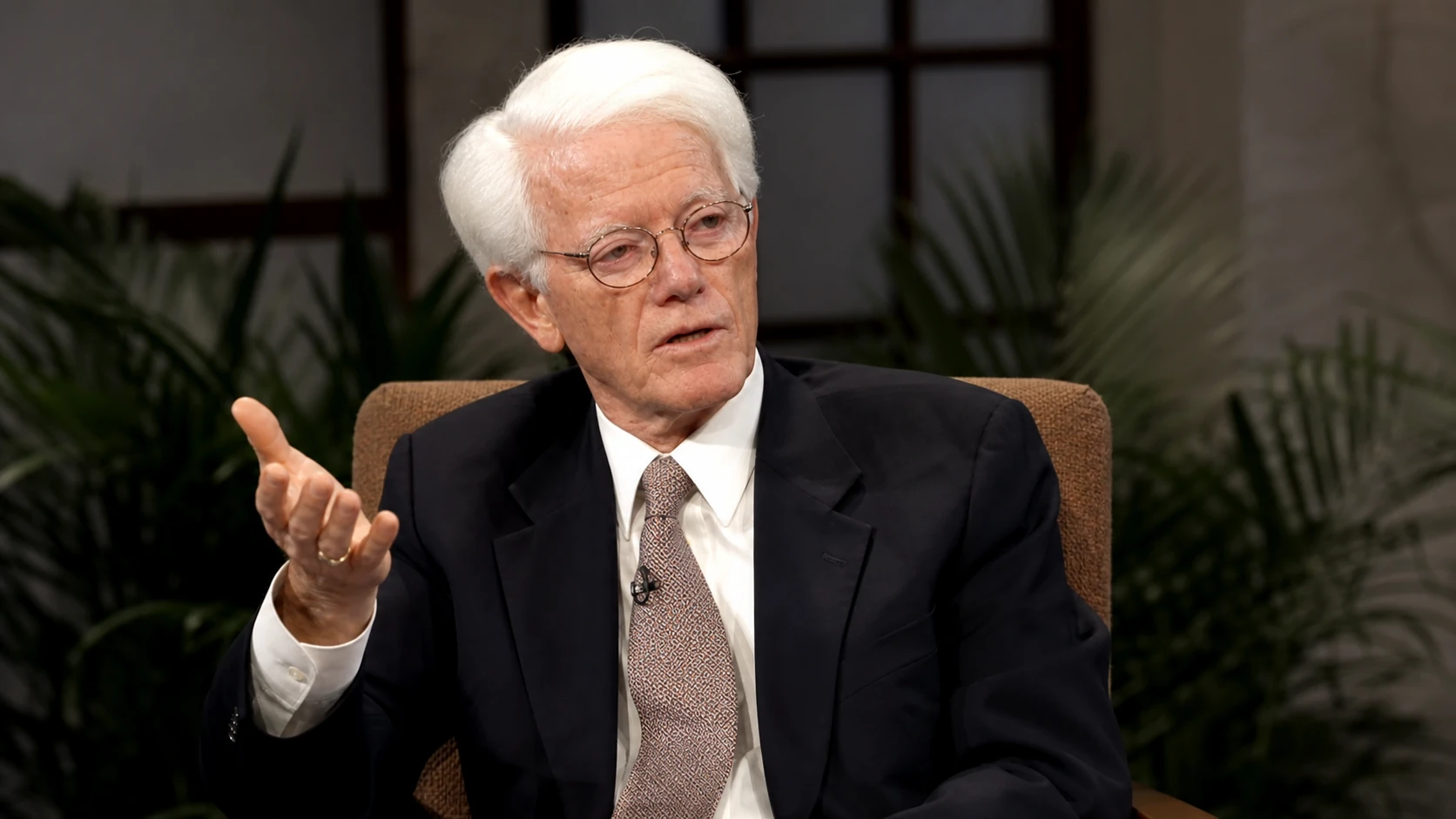
During his management, Magellan grew dramatically, reaching more than $14 billion in assets by the time he left. Historical accounts credit Lynch’s tenure with an average annual return of approximately 29.2 percent, making him one of the most successful mutual-fund managers of the modern era.
Such performance figures describe a specific historical period and should not be viewed as a guarantee of future investment results. Markets change, investment opportunities shift, and even highly successful strategies carry risk.
Lynch’s influence extended beyond performance statistics because of the way he communicated investment ideas. He encouraged investors to study companies carefully rather than treating stocks as abstract numbers that move up and down.
Investment Philosophy and Writing
Lynch became widely known for making investing concepts understandable to ordinary investors.
His 1989 book, One Up on Wall Street, became one of the most influential investing books for individual investors. He later published Beating the Street and co-authored Learn to Earn, continuing his effort to explain how people could better understand businesses and markets.
One of his most repeated ideas was that investors could sometimes discover opportunities by paying attention to businesses they encountered in everyday life. However, Lynch’s approach was not simply about buying familiar brands. He emphasized that personal observations were only the beginning and needed to be followed by financial research and careful evaluation.
His writing helped bridge the gap between professional investing and everyday financial education, making him a lasting figure in personal finance discussions.
Did Safra Catz and Peter Lynch Have a Professional Connection?
No verified public evidence shows that Safra Catz and Peter Lynch worked together.
They did not share a known business partnership, investment relationship, executive role, or board position. There is also no publicly confirmed family connection between them.
Both figures have associations with the broader University of Pennsylvania and finance communities, but a shared educational or institutional connection does not establish a professional relationship.
The reason their names may appear together is more likely that both are influential figures connected to finance. Catz represents corporate leadership and strategic execution, while Lynch represents investment management and market analysis.
Two Approaches to Understanding Business Value
The careers of Catz and Lynch illustrate two different ways of thinking about business value.
A corporate executive like Catz makes decisions from inside an organization. Questions may include whether to acquire another company, invest in new technology, expand into a market, reduce costs, or change the company’s strategy.
An investor like Lynch approaches businesses from outside. The focus is on evaluating whether a company’s future prospects justify its current market value.
Both roles require financial judgment, but the information and responsibilities are different. Executives have direct influence over company decisions, while investors analyze the consequences of those decisions.
Their careers demonstrate that finance is not a single discipline. It includes operating companies, evaluating investments, allocating resources, and understanding how businesses create long-term value.
Current Status and Legacy
Safra Catz remains associated with Oracle as Executive Vice Chair of the company’s board. Her legacy is tied to her long career at Oracle, her role in its financial strategy, and her leadership during a period of significant change in enterprise technology.
Peter Lynch is no longer managing the Magellan Fund, but his influence continues through his investment record, his books, and the way he shaped public understanding of stock analysis. His career remains a reference point in discussions of successful long-term investing.
Neither figure’s reputation depends on the other. Their importance comes from separate achievements in different areas of finance.
Frequently Asked Questions
Are Safra Catz and Peter Lynch related?
No publicly documented evidence shows that Safra Catz and Peter Lynch are related.
Did Peter Lynch work at Oracle?
No. Lynch’s career is associated primarily with Fidelity Investments and the Magellan Fund, not Oracle.
What is Safra Catz best known for?
Catz is best known for her long leadership career at Oracle, where she served in senior executive roles including CFO and CEO before becoming Executive Vice Chair of Oracle’s board.
What is Peter Lynch best known for?
Lynch is best known for managing Fidelity’s Magellan Fund from 1977 to 1990 and for writing influential investing books including One Up on Wall Street.
Conclusion
Safra Catz and Peter Lynch represent two distinct paths to influence in finance. Catz built her reputation by leading within one of the world’s largest technology companies, making decisions about strategy, acquisitions, and corporate growth. Lynch built his reputation by analyzing companies from the perspective of an investor and sharing his approach with millions of readers.
Although there is no documented partnership between them, their careers provide a useful comparison of how financial expertise can shape business outcomes. One focused on building value from inside a corporation; the other focused on recognizing value in the marketplace.
